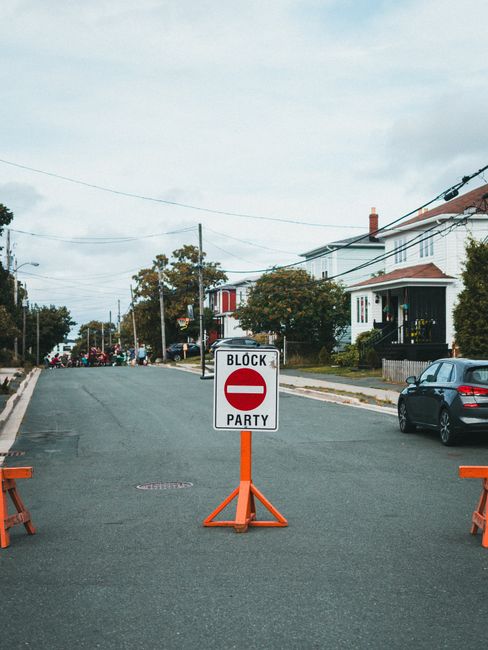
Street closure rules for Pratts Bottom removals and fines
Posted on 12/07/2026

If you are planning a move in Pratts Bottom, street access can make the whole day feel easy or surprisingly messy. One parked removal van in the wrong place, one blocked turn, or one ignored restriction can lead to delays, complaints, and yes, fines. The tricky bit is that street closure rules for Pratts Bottom removals and fines are not always obvious at first glance. They sit somewhere between parking control, local access arrangements, and common-sense moving logistics.
This guide explains what usually matters, how to approach a removal safely and sensibly, and how to avoid the kind of last-minute headache that turns a moving day into a slow crawl. We will also cover where removals tend to go wrong, what fines can happen, and how to plan around them without overcomplicating things. Truth be told, a little preparation goes a long way.
Why street closure rules for Pratts Bottom removals and fines matters
Street space is often tighter than people expect. Even in quieter residential areas, a removal van can create a bottleneck if it sits awkwardly, blocks a driveway, or narrows a road so much that neighbours cannot pass. That is where local street control, temporary traffic arrangements, and parking restrictions start to matter. If you get those wrong, the consequences can be annoying at best and expensive at worst.
For a house move, flat move, student move or office relocation, the practical issue is simple: the van needs access, the loading area needs to be safe, and pedestrians still need a clear route. If you are using man with a van Pratts Bottom or booking a larger team for a more complex move, the same basic rule applies. Do not assume the road will just work itself out. Roads rarely cooperate on moving day. They have their own little opinions.
Fines can arise for several reasons. A vehicle may be parked where waiting restrictions apply. A van may obstruct a junction or pavement. A closure or suspension may be in place, and the move may overrun the permission window. Sometimes the penalty is a formal notice; sometimes it is an enforcement conversation that still costs time and money. Either way, prevention is far easier than dealing with the aftermath.
There is also a customer service angle. When access is handled well, the move feels calmer. The crew can work faster, the neighbours stay happier, and fragile items spend less time sitting on the kerb while everyone tries to figure out where the trolley can safely go. If you have ever heard a lorry reverse for the third time on a narrow street, you will know the sound. Not ideal.
How street closure rules for Pratts Bottom removals and fines works
At a practical level, the process usually starts with the road itself. Is it wide enough for a removal vehicle? Are there yellow lines, resident bays, access restrictions, school-time controls, or loading only rules? Is the property on a bend or close to a junction where waiting would be unsafe? These are the questions that matter before the first box even leaves the hallway.
In some cases, a move can proceed with careful vehicle positioning and sensible timing. In other cases, you may need to think about temporary suspension of parking, traffic management, or a plan for keeping the carriageway clear. The exact requirement depends on the street, the vehicle, and the local context. If the route is tight, you might want to compare options using a practical guide such as best removals routes on Common Lane Pratts Bottom or the broader moving advice in Sevenoaks Road to Pratts Bottom small van tips.
Fines usually appear when a restriction is breached. That can mean parking in a controlled zone without the right permission, stopping in a place that blocks access, or ignoring a temporary arrangement put in place for the move. The problem is not just the fine itself. Delays can stack up too. A five-minute misjudgement can become a half-hour shuffle, and once a removal run falls behind, the whole day can feel a bit wobbly.
A good removal plan treats street access as part of the job, not an afterthought. That means checking the approach road, judging the vehicle size properly, allowing for loading space, and keeping an eye on nearby activity such as school runs, refuse collections, or busy commuter windows. If the property is in a flatter, more densely parked spot, it may also be wise to read about flat removals Pratts Bottom because access patterns are often very different from a detached house with a driveway.
Key benefits and practical advantages
Managing access properly does more than avoid fines. It improves the whole move from start to finish, and in our experience that is what people remember afterwards. They do not remember the exact loading angle of the sofa. They remember whether the day felt chaotic or controlled.
- Fewer delays: the crew can load and unload without waiting for a parking argument to resolve itself.
- Lower risk of enforcement: sensible positioning reduces the chance of parking tickets or obstruction issues.
- Smoother neighbour relations: a clean, organised move is less likely to irritate the street.
- Better handling of fragile items: fewer trips, shorter carrying distances, and less time exposed to weather.
- More accurate scheduling: if access is planned well, arrival and completion times are far more realistic.
Another practical advantage is cost control. A move that is delayed by access issues often becomes more expensive indirectly, even if the fine itself never appears. Labour takes longer, van mileage can increase, and any back-and-forth carrying becomes harder work. If you are trying to keep the budget sensible, it helps to understand not just the headline move cost but also the access risk. The article on avoiding hidden moving fees in Pratts Bottom quotes is a useful companion read for that reason.
There is also a safety benefit. A road closure or partial closure, when handled properly, creates clearer routes for trolleys, lifts, and hand-carry work. That matters on sloping pavements, narrow kerbs, and busy residential lanes where somebody stepping out of a car at the wrong moment can create a scare. Nobody wants that kind of drama before breakfast.
Who this is for and when it makes sense
This is not just for large household moves. Street access planning matters for a surprising range of situations, and that is partly why people search for this topic in the first place.
You will benefit most if you are:
- moving house from a road with limited kerb space
- relocating from a flat where the vehicle cannot park directly outside
- booked for a same-day or short-notice removal
- moving a piano, sofa, bed, or other bulky item that needs a clear loading area
- running an office move where timing and access windows are tight
- coordinating student removals and only have a small loading margin
If your move is simple, you may only need a compact van and a clear stretch of road. But if you are dealing with a larger home, awkward turn-in points, or a property that sits near a busy junction, it makes sense to think ahead. A useful reference point is moving from Pratts Bottom Village Hall local removals guide, which speaks to the kind of access planning that local moves often require.
It also matters for people who need a more flexible service. For example, if you are arranging same-day help, the margin for error is slim. A street restriction you forgot about in the morning can become the reason the van arrives, parks, moves again, then parks again. Not exactly a relaxing start. If that sounds familiar, a page like same day removals Pratts Bottom may be useful alongside this guide.
Step-by-step guidance
- Check the street in daylight. Do not rely on memory alone. Walk or drive the route and look for signs, yellow lines, narrow sections, and awkward corners.
- Measure the practical access. It is not just about whether the van fits. It is about whether it can stop safely, load without blocking a driveway, and leave without reversing blindly into trouble.
- Choose the right vehicle size. A smaller van may be easier on restricted roads, while a larger van may reduce trips if the street can handle it. If you are unsure, compare the vehicle plan with removal van Pratts Bottom and man and van Pratts Bottom options.
- Build a loading plan. Put the bulkiest items nearest the exit, keep paths clear, and decide where everything will be staged before the crew arrives.
- Confirm any parking or access arrangements. If special positioning is needed, make sure it is sorted in advance rather than guessed on the morning.
- Notify neighbours where sensible. A quick heads-up can reduce complaints, especially if the move may temporarily affect access or create short bursts of noise.
- Time the move carefully. Early mornings, school hours, and commuter peaks can all make a street more difficult than it looks on paper.
- Keep documents and contact numbers handy. If there is a query on the day, you want the details ready, not buried in a kitchen drawer under a packet of batteries.
One small but helpful tip: if the move includes long-carry items or heavier furniture, plan the route from room to vehicle before anyone starts lifting. It sounds obvious, but under pressure people rush. They take the nearest staircase, the nearest door, the nearest shortcut. Then the sofa catches the bannister and everyone stands there blinking. Avoid that if you can.
Expert tips for better results
Experienced movers tend to think in terms of friction. Where will the plan slow down? Where might a fine become likely? Where is the road most vulnerable to congestion or complaint? Once you start asking those questions, the day gets easier to manage.
Tip 1: Prioritise the narrowest point first. If your access road pinches near the property, that is where you should focus. Do not spend all your energy on the lovely wide section at the entrance while ignoring the awkward bend outside the house.
Tip 2: Use smaller vehicles where the street demands it. On restricted or twisty roads, a smaller van can be the smarter choice even if it means an extra trip. It is not glamorous, but it is often safer and cheaper than fighting the street.
Tip 3: Keep the loading area simple. Remove bins, loose bikes, plant pots, and clutter from the immediate frontage. It makes the move look more orderly and reduces the chance of someone tripping. A tidy frontage matters more than people think.
Tip 4: Match the service to the job. A one-bedroom flat and a four-bedroom family home do not need the same approach. If you are weighing up full removal support against a lighter-touch setup, a service page like removal services Pratts Bottom can help you think about scope, while house removals Pratts Bottom is useful when the move is larger and more involved.
Tip 5: Expect the unexpected. A neighbour may be leaving. A delivery van may arrive. Rain may make a loading path slippery. The best plans leave a bit of breathing room. A perfect schedule on paper is nice; a flexible schedule in real life is better.

Common mistakes to avoid
Most access problems are predictable. That is the frustrating part. People often know the road is tight, but they still bank on everything working out. Let's face it, moving day already has enough chaos without adding wishful thinking.
- Assuming the van can stop anywhere. A safe loading point is not the same as a convenient one.
- Ignoring temporary restrictions. Roadworks, local events, and short-term parking suspensions can catch people out.
- Booking the wrong vehicle. A van that is too large can create more trouble than it solves.
- Leaving access planning until the morning of the move. By then, your options are already limited.
- Not checking the finish time. If a closure or parking arrangement has a time limit, overrunning it can be costly.
- Forgetting the unloading side. It is easy to focus on departure and forget that the destination needs equal care.
One mistake people do not always notice is overpacking the property before the move. If every hallway is full of boxes, the crew needs to work harder just to create a safe path out. That delay can push the van closer to restricted periods. A better approach is to declutter beforehand. If you want a practical way to do that, moving made easy with the strategic declutter approach is worth a read.
Another common issue is underestimating awkward items. A piano, for example, changes the whole access picture because it needs careful handling and more space to manoeuvre. If that is part of your move, the guidance in piano removals Pratts Bottom and keep your piano safe the case against DIY moves will help you think beyond basic transport.
Tools, resources and recommendations
You do not need a warehouse full of kit to manage street access well. A few practical tools and a clear mindset are usually enough. The important thing is to use them early, not after the van is already reversing down the road.
- Measuring tape: useful for checking doorway width, vehicle clearance, and whether a trolley path is realistic.
- Printed move plan: a simple sheet with addresses, timings, key contacts, and item priorities can stop confusion.
- Labels and room markers: helpful when items need to be carried quickly from property to vehicle.
- Protective packing supplies: especially for breakables, furniture corners, and awkward-shaped items.
- Parking and access notes: a small written note about the street layout can save huge amounts of time on the day.
If you need packing help, you may also find value in packing and boxes Pratts Bottom and master movers secrets to packing like a professional. These are not just about neat boxes. They help reduce time spent standing around while somebody tapes the same carton for the third time.
For people thinking about broader moving support, service overviews such as services overview, removals Pratts Bottom, and removal companies Pratts Bottom can help frame the decision. And if storage is part of the plan because access or timing is not ideal, storage Pratts Bottom is a sensible companion page.
Law, compliance, standards, or best practice
Street closure rules and parking enforcement are not something to guess at. In the UK, road access, stopping restrictions, loading permissions, and obstruction issues can all be enforced locally. The exact details vary depending on the location and the specific street arrangement, so this is one of those areas where careful checking matters more than assumptions.
Best practice is straightforward even if the official wording is not. Keep the road clear where required. Do not block emergency access. Do not park in a way that forces pedestrians into unsafe positions. If you are arranging a temporary loading setup, make sure the timing and boundaries are clear. And if the move is likely to create a public nuisance, treat that as a signal to rethink the plan rather than push ahead and hope for the best.
From a mover's point of view, compliance also means being honest about what can and cannot be done safely. A reputable team should flag access risks early, explain where additional time may be needed, and recommend a smaller vehicle or revised schedule when that makes sense. That sort of cautious advice is not a sign of hesitation; it is a sign the job is being taken seriously.
If you want to understand the operational side of this in a local context, the article on Bromley Council permits for Pratts Bottom removal vans is a useful next step. It sits naturally beside the access and enforcement issues discussed here, without overpromising neat one-size-fits-all answers.
Options and comparison table
There is no single "best" access method for every move. The right choice depends on the street, the property type, and how much furniture needs to come out. Here is a practical comparison.
| Approach | Best for | Pros | Trade-offs |
|---|---|---|---|
| Small van with simple roadside loading | Compact moves, tight lanes, limited frontage | More flexible, easier to place, often less disruptive | May need extra trips and more carrying time |
| Larger removal van with planned access | House moves, larger loads, efficient one-day moves | Fewer trips, faster loading if space is available | Harder to fit into narrow or busy streets |
| Staged loading from a clear zone | Properties with awkward entrances or restricted parking | Safer handling, better organisation | Needs more planning and room at the property |
| Off-site parking plus carry route | Areas with strong restrictions or no direct frontage access | Can reduce enforcement risk | More labour, longer move time, extra walking distance |
For student moves and lighter loads, a flexible setup often makes most sense. For example, if you are balancing timing and a modest amount of furniture, student removals Pratts Bottom can fit a simpler access plan better than a full-scale household relocation. For more heavy-duty scenarios, the operational advice in your path to heavy lifting independence gives a useful sense of the physical demands involved.
Case study or real-world example
Picture a typical Saturday move in a quiet residential part of Pratts Bottom. The family has a few bedrooms' worth of furniture, a dining table, and several fragile boxes. On paper, it looks manageable. Then the van arrives and the frontage is tighter than expected. One neighbour is away, another has already parked outside, and there is just enough space to load if everything is kept neat.
The team pauses, checks the best position, and shifts the plan slightly. The heavier furniture is brought out first, the boxes are staged in the hallway, and the loading route is kept clear. No one blocks the turning point. No one assumes they can squeeze the van a metre closer "just for a minute." That tiny bit of discipline saves the move. Simple really, but easy to miss in the rush.
Now imagine the opposite. The van arrives with no access plan. Boxes are still scattered upstairs. A driveway is half-blocked. Somebody has to keep moving the van because the first spot is not legal or practical. The crew loses time, stress rises, and the risk of a fine or complaint goes up. The difference between those two outcomes is rarely luck. It is planning, timing, and a willingness to treat the street as part of the moving job.
If you are moving from a nearby communal or village setting, the same lesson applies. The local guide at guide to moving near Pratts Bottom Village Green gives a good sense of how small local variables can shape the whole day. In moving, the little things are rarely little.
Practical checklist
Use this checklist a day or two before the move. It keeps the access side tidy and stops you having to think through everything while holding a kettle in one hand.
- Confirm the property address and the exact loading point
- Check for yellow lines, signs, and any temporary restrictions
- Decide whether a small van or larger van is more practical
- Clear the frontage of bins, bikes, and loose items
- Make sure internal paths are open and boxed items are grouped
- Keep key documents, keys, and contact details in one place
- Plan around school runs, commuter peaks, or expected local congestion
- Warn neighbours if access may be temporarily affected
- Allow a bit of time buffer for loading and unloading
- Double-check the destination street as well, not just the starting point
Expert summary: most fines and access problems happen because the move is treated like a doorstep task rather than a street-level operation. Once you plan the road as carefully as the rooms, the whole thing becomes much calmer.
For people who need a more complete moving package, it is worth looking at house removals Pratts Bottom, office removals Pratts Bottom, and furniture removals Pratts Bottom to match the service level to the actual access challenge. Different moves, different realities.
Conclusion
Street closure rules for Pratts Bottom removals and fines are really about one thing: protecting the move from avoidable disruption. When you understand the street, respect the restrictions, and choose the right access strategy, you reduce the chance of fines and keep the day moving at a sensible pace. That is the win. Not perfection. Just a move that feels organised, safe, and free from preventable drama.
Whether you are shifting a single sofa, clearing a flat, or coordinating a full household relocation, the same principle holds true. Plan the road, not just the packing. Keep the loading zone clear. Leave room for the unexpected. And if the route looks awkward, do not shrug it off. Deal with it early.
Get a free quote today and see how much you can save.
And if you are still in the planning stage, take your time. A careful move has a quieter sound to it, almost like the whole street is breathing out at once. That feeling is worth aiming for.