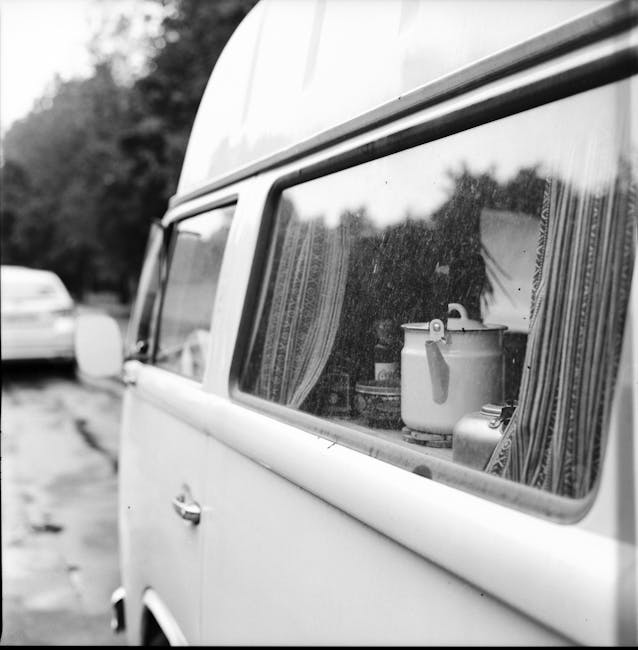
Sevenoaks Road to Pratts Bottom: Small Van Tips
Posted on 02/06/2026
Sevenoaks Road to Pratts Bottom: Small Van Tips for a Smooth, Safe Move
If you are planning a move along Sevenoaks Road into Pratts Bottom, a small van can be a brilliant choice. It is nimble, practical, and often just the right size for a one-bedroom flat, a student move, a few bulky items, or a carefully planned partial relocation. But to be fair, a small van only works well when the load is organised properly and the route is thought through with a bit of common sense. That is where this guide comes in.
In this article, we will walk through Sevenoaks Road to Pratts Bottom: Small Van Tips in a way that is actually useful on moving day. You will find advice on loading order, packing, route planning, timing, fragile items, and the practical differences between a small van and a larger removal vehicle. We will also cover the mistakes that cause delays, damage, and unnecessary stress. Because no one wants to be halfway down the road, realising the mattress is wedged against the kettle box. It happens. More than people admit.
Whether you are moving a few streets, heading into a flat, or arranging a tight same-day job, the goal is the same: move efficiently, protect your belongings, and keep the day calm enough that you can breathe. Let's get into it.

Why Sevenoaks Road to Pratts Bottom: Small Van Tips Matters
The stretch between Sevenoaks Road and Pratts Bottom sounds straightforward on paper, but moving never really is. Roads can be busy at awkward times, properties may have narrow entrances, and access at either end can be tighter than expected. A small van is often ideal because it is easier to park, simpler to manoeuvre, and usually less intimidating around residential streets. The catch? You need to be disciplined with what goes in it.
People often choose a smaller vehicle because they assume it will be quicker. Sometimes it is. Sometimes it is not. A badly packed small van can become a puzzle box of shifting furniture, loose boxes, and one awkward item that refuses to fit anywhere. That is why smart planning matters more than brute force. A good move is not just about lifting; it is about sequencing, spacing, and knowing what deserves the first slot in the van.
For local moves, the real value of a small van lies in flexibility. If you are moving into a flat, handling a student move, or transporting only selected furniture, a compact vehicle can reduce waste and simplify the whole process. It also pairs well with services such as man with a van in Pratts Bottom or broader man and van support, especially when you want help with loading but do not need a full-size removals truck.
There is another reason this topic matters: time. Small vans encourage focus. You tend to plan what is really needed, rather than treating moving day like a mobile storage unit. And that, honestly, is half the battle.
How Sevenoaks Road to Pratts Bottom: Small Van Tips Works
The basic idea is simple: you match the load to the vehicle, then shape the route and loading plan around the limits of that vehicle. A small van gives you less volume, so every item has to earn its place. The best results come from three linked decisions: what to take, how to pack it, and how to load it in the right order.
Think of the van as a moving system, not just a box on wheels. Large and heavy items create the base. Mid-sized furniture fills the middle. Fragile boxes and awkward shapes are fitted into gaps and secured so they do not slide when the van turns or brakes. If you do it well, the load sits tight, stable, and quiet. If you do it badly, you hear the familiar rattle of regret before you even reach the next junction.
A small van move also works best when the route is considered in advance. The roads around Pratts Bottom and the surrounding Sevenoaks Road approach can be less forgiving than they look if there is traffic, narrow passing space, or awkward parking near the property. The fewer unnecessary stops, reversals, and reshuffles you need, the safer the move becomes. For some readers, this is where a local removal van in Pratts Bottom makes the difference between a smooth run and a long afternoon of shuffling boxes around kerbs.
It also helps to think about item-specific handling. A mattress should be protected differently from a freezer, and a piano is a different world again. If you need extra guidance on specialist items, the practical advice in how to move your bed and mattress with ease and keeping a piano safe during a move is worth reading before moving day arrives.
Key Benefits and Practical Advantages
A well-planned small van move is not just cheaper in many cases; it is often calmer. And calm matters. Here are the main advantages people notice.
- Easier access: Small vans are simpler to park near terraced homes, flats, and narrow residential roads.
- Faster loading for smaller jobs: If you are not moving a whole household, you avoid paying for unused vehicle space.
- Less risk of overpacking: A compact van forces better judgment, which usually protects belongings.
- More flexible scheduling: Smaller jobs can sometimes be arranged more quickly, especially for local or same-day needs.
- Lower handling strain when used properly: With the right order and equipment, fewer unnecessary lifts are needed.
There is also a psychological benefit that people underestimate. Smaller moves feel less overwhelming when the van size matches the job. A single run of tidy boxes and sensible loading can make the whole day feel manageable. That feeling matters more than most people expect, especially if you are moving after a stressful week.
For some households, the best outcome is not a huge removal setup at all. It is a practical service matched to reality. If you are deciding between services, the services overview is a good starting point because it helps you see the difference between full removals, part-load style moves, and more focused transport support.
Who This Is For and When It Makes Sense
Small van tips are useful for anyone whose move is compact, local, or time-sensitive. But the best fit tends to fall into a few clear groups.
- Students and renters: Ideal for a few boxes, a desk, a chair, and bedding. If that sounds familiar, student removals in Pratts Bottom may match your needs well.
- Flat movers: A small van is often a better match for flats than a large lorry, especially where access is tight. See also flat removals in Pratts Bottom.
- Small households: If you are moving selected furniture rather than a full house, a compact vehicle can be efficient.
- People moving one or two bulky items: Think sofa, bed frame, freezer, or a piece of office furniture.
- Anyone on a tight timetable: Same-day or short-notice moves often benefit from the speed and simplicity of a smaller setup.
On the other hand, a small van may not be the best choice if you are moving an entire three-bedroom home, lots of fragile furniture, or items that need specialist handling. In those cases, a fuller removals plan is usually better, even if it feels like more effort to arrange. The easy option is not always the smart one. Truth be told, trying to cram too much into a van can cost more in the end.
If your move includes bulky household pieces, the page on furniture removals in Pratts Bottom is a helpful next step, especially if you need tailored handling rather than a general transport service.
Step-by-Step Guidance
Here is a practical way to approach a small van move from Sevenoaks Road to Pratts Bottom without making the day harder than it needs to be.
- Measure the biggest items first. Don't guess. Measure the sofa, mattress, fridge, wardrobe, or table. A few centimetres can decide whether an item stands upright, lies flat, or needs a different vehicle plan.
- Sort what is actually going. Declutter before you pack. Moving fewer items saves time, space, and lifting effort. If you want a structured approach, the strategic declutter approach is a smart read.
- Group items by type and fragility. Keep heavy books together, kitchenware together, and delicate items separate from anything likely to crush them.
- Prepare protective materials. Use blankets, wraps, tape, straps, and sturdy boxes. This is where proper prep saves you from the awful sound of a plate box shifting mid-turn.
- Load in the correct order. Heavy and stable pieces go in first, then medium items, then lighter boxes. Fragile items should be wedged in safely, not tossed into the nearest gap.
- Secure the load. Movement inside the van is the enemy. Use straps where possible and keep voids filled with soft items or cushions.
- Check the route and access. Make sure you know where to park at both ends and whether a narrow lane, steep drive, or awkward entrance will affect unloading.
- Unload with the destination in mind. Put boxes into the correct rooms rather than stacking everything in one corner unless you genuinely need a quick drop-off.
A small but useful habit: keep a "first night" bag separate. Kettle, charger, toiletries, snacks, basic tools, and a change of clothes. You will thank yourself later, probably around 9:40 pm when you want tea and the box labels have all become suspiciously unhelpful.
Expert Tips for Better Results
Here are the sorts of small adjustments that make a move noticeably better. Nothing flashy. Just the sort of details experienced movers care about.
1. Build a load map before the van arrives
Visualise where the large items will sit. A mattress can act as a soft buffer, while flat-packed furniture can help stabilise the side wall. This saves time because you are not improvising at the kerb with a doorway open and everyone waiting.
2. Use the van height wisely
People often think in floor space only. But vertical stacking matters just as much in a small van. Place lighter but bulky items above stable bases, and make sure nothing is leaning in a way that could topple during braking.
3. Protect corners and edges
Most scuffs happen at corners. A simple blanket or cardboard edge protector can prevent a lot of damage, especially to wardrobes, tables, and sofas. If you need more detail for upholstered pieces, these sofa storage tips are surprisingly useful for keeping fabric and frames in better shape during transport.
4. Keep a small toolkit within reach
Allen keys, a screwdriver, tape, and a Stanley knife can save a move. You do not want to unpack every box just to find the one tool needed to remove a bed frame leg. That is moving-day theatre nobody asked for.
5. Leave a little breathing room
Yes, a small van means efficiency. But if you pack to absolute maximum capacity, you lose flexibility and increase risk. A slightly looser, well-secured load is often better than a perfect-looking jam. A bit of space can make the whole journey calmer.
If lifting technique is part of your concern, the guide on heavy lifting independence offers sensible advice on reducing strain without pretending every object is light. Because, let's face it, some things are just awkward.

Common Mistakes to Avoid
Small van moves go wrong for predictable reasons. The good news is that most of them are easy to avoid once you know what to watch for.
- Underestimating volume: A van can look larger in the driveway than it does once boxes start going in.
- Mixing fragile and heavy items: Plates under books is not a smart combo.
- Ignoring access constraints: A route that is fine for walking may be awkward for vehicle parking and loading.
- Skipping labels: Unlabelled boxes turn unpacking into a guessing game. Nobody enjoys that game.
- Failing to disassemble furniture: Some items only fit once legs, shelves, or doors have been removed.
- Forgetting weather protection: A quick shower can soak cardboard very quickly. British weather likes to be dramatic, especially at the worst moment.
Another common error is treating every item the same. A freezer, bed, sofa, and piano all need different planning. If you are moving appliances, this freezer storage guide is helpful because it explains how to protect it before and during movement. For larger household seating, the sofa storage article is also a useful companion read.
And one more thing: do not leave your best judgement until the last ten minutes. That is usually when people start saying, "It'll probably fit if we just tilt it a bit." Sometimes it will. Sometimes it absolutely will not.
Tools, Resources and Recommendations
The right tools do not make moving glamorous, but they make it manageable. That is enough.
| Tool or Resource | What It Helps With | Why It Matters for a Small Van Move |
|---|---|---|
| Removal blankets | Protecting furniture surfaces | Prevents scuffs and knocks in tight spaces |
| Ratchet straps or tie-downs | Securing the load | Stops shifting during corners and braking |
| Sturdy boxes and tape | Safe packing | Improves stack stability and reduces collapse risk |
| Furniture sliders or a dolly | Moving heavier pieces indoors | Reduces strain on floors and backs |
| Route planning apps | Checking traffic and road conditions | Useful for timing the drive between Sevenoaks Road and Pratts Bottom |
For packing materials, packing and boxes in Pratts Bottom is a practical page to explore if you want to improve the quality of your prep. Good boxes sound boring, but they hold the whole day together. Literally.
It also helps to read about packing like a professional before you start. The difference between "packed" and "packed well" becomes very obvious at the unloading stage.
Law, Compliance, Standards, or Best Practice
For most small van moves, the main concern is not complex legal compliance but sensible, responsible practice. Still, a few basics are worth keeping in mind.
First, loads should be secure. An unsecured load can create a danger to the driver, passengers, and other road users. That is just ordinary road-safety common sense, and it applies whether the van is full or half full. If an item could shift, tip, or fall, it needs to be restrained properly.
Second, weight matters. A small van should not be packed beyond its working limits, even if "it seems fine" for the first few miles. Overloading can affect braking, handling, and tyre wear. If there is any uncertainty, ask for guidance rather than guessing. That is the grown-up move, really.
Third, if you are using a removal service, it is sensible to check basic trust signals such as insurance, safety procedures, and payment security. The pages on insurance and safety, health and safety policy, and payment and security are useful if you want to understand how a responsible provider approaches these issues.
Finally, if you are disposing of unwanted items as part of the move, it is sensible to think about sustainability. The page on recycling and sustainability gives a better picture of how responsible disposal can fit into a move without creating extra waste.
Options, Methods, or Comparison Table
If you are deciding how to handle the move, the main question is not just "small van or not?" It is which approach matches your belongings, access, and schedule. Here is a simple comparison.
| Approach | Best For | Strengths | Limitations |
|---|---|---|---|
| Small van only | Light, compact, local moves | Flexible, easier parking, often quicker to organise | Limited space, less suitable for oversized loads |
| Man and van service | Moves needing lifting help and transport | Practical for heavy items, less physical strain | May still need careful item selection |
| Full removals service | Larger homes or multiple bulky items | More capacity, better for whole-house moves | Usually more involved to arrange |
| Same-day removals | Urgent or short-notice situations | Speed, convenience, quick response | Less time for detailed planning |
If your move is simple and you want a quick, practical solution, a compact service may be enough. If you need more flexibility, especially with furniture, then a more tailored option may be better. For urgent jobs, same-day removals in Pratts Bottom can be worth considering, while broader removals in Pratts Bottom are better for larger or more layered moves.
Case Study or Real-World Example
Imagine a small flat move from a property near Sevenoaks Road into Pratts Bottom. The job includes a bed frame, mattress, two small bookcases, a sofa, eight boxes, a desk, and a freezer. Nothing wild. Just a sensible, very typical local move.
The move goes well only after the team does a quick reality check. The sofa is measured. The bed frame is partly dismantled. The freezer is allowed to settle properly before transport, and the boxes are grouped by weight rather than by where they happen to be standing in the hallway. The heaviest items go in first, flat items are layered securely, and the fragile boxes are kept away from corners where they could be crushed.
At the property, access is slightly awkward. Not impossible, just awkward. The van is compact enough to park without blocking the road, which saves a lot of time. A couple of careful trips between the front door and the van get the job done. The whole process feels controlled rather than frantic. That is the aim.
One detail made the difference: decluttering beforehand. The person had already sorted out items for storage and disposal, which reduced the load more than expected. If you are unsure what to keep, store, or release, storage in Pratts Bottom can be a useful temporary option, and the article on setting the stage with a clean home is a good reminder that a fresh start often begins before the boxes are unpacked.
Practical Checklist
Use this checklist as a final run-through before the van arrives.
- Measure the largest items and confirm they will fit through doors, hallways, and into the van.
- Declutter anything you do not need to move.
- Pack boxes by weight and room, then label them clearly.
- Protect fragile items with enough padding, not just a single sheet of paper and optimism.
- Disassemble furniture where it will make loading easier.
- Keep tools, chargers, medication, and valuables in a separate essentials bag.
- Check parking and access at both locations.
- Have blankets, straps, tape, and a trolley ready if needed.
- Keep appliances prepared according to their requirements before moving.
- Know which items need specialist handling before moving day begins.
Expert summary: the best small van move is not the one that squeezes the most into the vehicle. It is the one that moves the right items, in the right order, with enough care that everything arrives intact and the day still feels human at the end of it.
Get a free quote today and see how much you can save.
Conclusion
A good move from Sevenoaks Road to Pratts Bottom is rarely about force. It is about planning, restraint, and making the small van work for you rather than against you. If you know what is going, how it fits, and how the route will play out, the whole process becomes far more manageable. Less chaos. Less stress. Better results.
Start with the biggest items, protect the awkward ones, keep the load secure, and do not be tempted to treat the van like a bottomless cupboard. That one habit alone saves a lot of trouble. If you need extra support, the right local service can make a surprisingly big difference, especially when the schedule is tight or the items are heavy.
And honestly, that is the sweet spot: a move that feels organised enough to trust, but human enough to handle. One careful trip at a time.