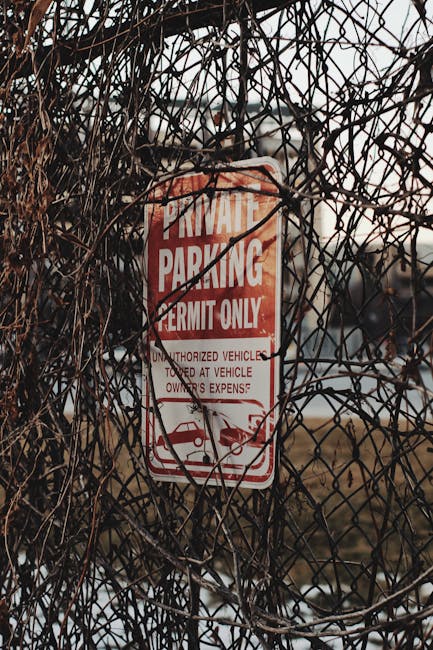
Getting parking permits for Pratts Bottom moving days
Posted on 29/07/2026
If you are planning a move in Pratts Bottom, parking can make the day feel calm or chaotic within minutes. A van that cannot stop near the front door, neighbours squeezed in by a narrow road, or a crew forced to shuttle boxes up and down the pavement? That is the kind of thing that turns a decent move into a long one. This guide explains Getting parking permits for Pratts Bottom moving days in plain English, so you can plan access properly, avoid last-minute stress, and keep the whole job moving smoothly.
Whether you are arranging a house move, a flat move, or a tighter same-day move, the parking side of the job matters just as much as the lifting. It is one of those details people leave until the evening before. Then, of course, the street is busy and everyone starts asking who has space where. Let's get ahead of that.
Why Getting parking permits for Pratts Bottom moving days Matters
On moving day, parking is not just a convenience. It is access, timing, and protection rolled into one. If a removal van cannot stop near the property, every item takes longer to carry. That affects the schedule, the cost, and frankly everyone's patience.
In a place like Pratts Bottom, where roads can be quieter than central London but still tight in the wrong spot, a poor parking plan can cause avoidable problems. You might be dealing with a small driveway, a shared access road, limited roadside space, or a section of street where stopping is awkward for longer than a quick drop-off. Even when a road looks manageable on a normal Tuesday, moving day has a way of exposing the weak points.
It also matters because parking arrangements are often tied to how safely the move can happen. A van parked too far away encourages longer carries, more trips, and more chance of damage to furniture, walls, or someone's back. If you have already read about the best removals routes on Common Lane or moving near Pratts Bottom Village Green, you will know that access planning is a real part of the job, not a box-ticking exercise.
Practical truth: a permit is not just about avoiding hassle. It can be the difference between a controlled move and a tiring one.
How Getting parking permits for Pratts Bottom moving days Works
At a practical level, getting a parking permit for a moving day usually means making sure the vehicle can legally and sensibly stop where it needs to while loading or unloading. The exact process can vary depending on the street, the type of restriction in place, and whether the property sits within an area that needs specific parking permission or temporary dispensations.
In UK moving terms, there are a few common scenarios:
- Suspension or temporary permit: a space is temporarily reserved or restricted for the move.
- Resident bay use: the van needs permission to use a bay that is normally for residents or permit holders only.
- Loading-only allowance: short loading may be allowed, but only under certain conditions and time limits.
- Street-specific restrictions: narrow roads, controlled waiting, or nearby closures may shape where the van can sit.
The safest approach is always to check the exact property location and the surrounding road layout well before moving day. If your move is time-sensitive, a useful read is Bromley Council permits for Pratts Bottom removal vans, which sits nicely alongside this topic. And if the route itself is part of the problem, street closure rules for Pratts Bottom removals and fines is worth understanding too.
The simple version? You identify the parking need, check the restrictions, arrange the right permission if needed, and make sure the driver knows exactly where to go. No drama. Or less drama, anyway.
Key Benefits and Practical Advantages
Getting the parking side right gives you more than just a legal place to stop. It improves the whole moving experience in quite a few ways.
- Shorter carry distances: fewer steps from van to doorway means faster loading and unloading.
- Lower risk of damage: bulky items are easier to handle when they are not being carried across half the road.
- Better time control: the removal crew can work to a clean timeline instead of waiting for a space.
- Less neighbour friction: clear planning reduces the chance of blocking drives or causing awkward surprises.
- Safer working conditions: fewer emergency manoeuvres and less rushing around parked cars.
There is also a hidden benefit people overlook: confidence. When the van is sorted, the rest of the day feels more manageable. You can focus on the boxes, the kettle, the keys, and the small mountain of odds and ends that always seems bigger on moving day. If you are also trying to keep things calm at home, creating a tranquil moving experience is a helpful companion read.
For many people, parking planning quietly saves money too. Less waiting, less carrying, fewer complications. That is often where the real value sits.
Who This Is For and When It Makes Sense
Parking permits or temporary parking arrangements are not only for large-scale house moves. They can make sense for a wide range of moving-day situations in Pratts Bottom.
- House movers: especially where the van needs to sit close to the entrance for furniture and appliances.
- Flat movers: useful when access is shared, bay parking is limited, or stair carries are involved.
- Students: a smaller move can still need access planning, particularly at busy times of day. See also student removals in Pratts Bottom.
- Office movers: business moves often run to a tighter schedule, so parking delays are especially costly.
- Same-day movers: if the timeline is already tight, you do not want parking to become the bottleneck. Same-day removals in Pratts Bottom when times are tight covers that pressure well.
It also makes sense when the property sits on a road where traffic or parking is unpredictable. Even if you think, "we'll just find somewhere on the day," that plan can unravel quickly. To be fair, it is very easy to underestimate how much space a removal van actually needs once it arrives.
If your move involves awkward items, the need becomes even clearer. A mattress, a piano, or a large sofa is much easier to handle when the van is parked as close as possible. The guides on moving a bed and mattress with ease and keeping your piano safe by avoiding DIY moves are both good reminders of why access matters.
Step-by-Step Guidance
If you want a simple process, this is the order I would use. It keeps things sensible and avoids that last-minute scramble where everyone is pointing at the road and nobody is quite sure what is allowed.
- Check the exact property access. Look at the road, bay layout, double yellow lines, nearby junctions, and any obvious loading restrictions. If you can, do this at the same time of day as the move.
- Estimate the vehicle size. A small van may need less space, but it still needs room for safe loading. If you are unsure, the page on Sevenoaks Road to Pratts Bottom small van tips gives a useful sense of why vehicle size matters.
- Decide whether a permit is actually needed. Not every move needs one. Some moves work fine with sensible loading and no restriction conflict.
- Arrange permission early if required. Don't leave this until the eve of the move. The admin side can be straightforward, but timing is everything.
- Tell the removal team the exact arrangement. Give them the street name, any bay details, and any special instructions. Clear notes now prevent confusion later.
- Prepare for Plan B. If the intended spot is unavailable, know where else the van could reasonably stop without causing problems.
- Mark the loading point on the day. A quick walk-through with the driver or crew lead saves time. A minute spent now can save ten later. Easy win.
If you are using a professional team, this process becomes easier because they will usually think in terms of access, load order, and property constraints. That is one reason people often pair parking planning with a broader service like removals in Pratts Bottom or man and van support.
Expert Tips for Better Results
These are the details that tend to make the difference between a decent move and a well-run one.
1. Think about the full chain, not just the front door. A van parked neatly outside is not enough if it still has to reverse awkwardly, block another car, or sit at a bad angle for loading. The whole manoeuvre matters.
2. Match parking to the heaviest items. If you are moving bookcases, white goods, or something fragile, shorten the carrying route as much as possible. People often focus on box counts and forget the awkward pieces.
3. Use decluttering to reduce the parking pressure. Fewer loads mean fewer trips to and from the van. The article on the strategic declutter approach fits this nicely.
4. Keep a parking note in your moving-day folder. One page, one set of instructions, no hunting through messages while the kettle is still in a box. Ridiculously simple, but useful.
5. Allow for morning surprises. Cars move overnight. Neighbours leave late. Rubbish bins appear. The perfect space at 5 p.m. may not be the perfect space at 8 a.m. This happens more than people expect.
6. Protect the building entrance too. If the van is close, the doorway can still get busy. Floor coverings, door protection, and clear pathways all help. That same care shows up in moving guides like setting the stage for new beginnings with an immaculate home.
7. Ask about oversized or awkward items early. A piano, freezer, or large sofa may change the vehicle position you need. In fact, the guide on keeping a freezer intact with proper storage tactics is a good example of how access and handling work together.
Expert summary: the best parking plan is the one the moving team barely has to think about on the day. If they know where to stop, how long they can stay, and what space is available, they can get on with the move instead of negotiating the kerb.

Common Mistakes to Avoid
People usually do not get parking wrong because they are careless. More often, they just assume the street will be fine. That assumption can be expensive in time and energy.
- Leaving it too late: the biggest mistake. Parking arrangements are much easier to solve a few days earlier.
- Guessing the restrictions: if you are not sure, do not assume loading is unrestricted.
- Underestimating van size: small, medium, and large vans behave very differently on a tight street.
- Ignoring neighbours' driveways: blocking access is a fast way to create tension on moving day.
- Not briefing the driver: if the driver arrives with no context, they may choose the wrong stopping point.
- Forgetting timing windows: some places are fine at one time of day and awkward at another. Traffic changes everything.
- Mixing up loading convenience with legality: somewhere that is convenient is not always somewhere that is allowed.
One small but common issue: people pack brilliantly and then leave access planning until the very end. It's a bit backwards. If you have already gone to the trouble of using packing like a professional, give parking the same respect.
Tools, Resources and Recommendations
You do not need fancy kit to handle this well. A few practical tools and habits are usually enough.
- Phone photos of the street: take pictures of the exact parking situation, especially if there are signs, bays, or tight corners.
- A simple access note: write down the road name, preferred stop point, and any backup option.
- Property measurements: door width, driveway length, or turning constraints can be useful if large items are involved.
- A printed moving-day plan: helpful if the battery dies or the signal is poor.
- Talking through access with your mover: this is still one of the best resources. A few direct questions usually clarify everything.
For planning the wider move, these related pages can help you think through the rest of the job too: furniture removals in Pratts Bottom, packing and boxes in Pratts Bottom, and storage in Pratts Bottom if your move is being split across dates.
If you are comparing help options, it can also be worth reading avoiding hidden moving fees in Pratts Bottom quotes. Access issues and parking complications can sometimes sit in the background of price changes, so clarity helps.
Law, Compliance, Standards, or Best Practice
Parking rules vary by street and by restriction type, so careful checking is the safest route. In the UK, moving-day parking should be treated like any other temporary road use: you need to stay within the local rules, respect signs, and avoid blocking access or causing danger.
Good practice usually means:
- checking all signs on the street, not just the nearest one;
- making sure the vehicle does not obstruct drives, junctions, or crossings;
- allowing enough room for pedestrians, especially where pavements are narrow;
- using loading space only where the rules actually support loading;
- keeping evidence of any permission or arrangement in case questions come up.
If your move is close to a controlled parking zone, a bay with restrictions, or an area affected by temporary works, do not rely on memory or guesswork. Rules can be clearer than people think, but only if you read the details. And if street access is part of the issue, the guide on street closure rules for Pratts Bottom removals and fines is directly relevant.
Best-practice mindset: plan as though the parking space is a shared asset, not private convenience. That approach tends to keep everyone happier.
Options, Methods, or Comparison Table
There are a few ways to handle moving-day parking. The right choice depends on the street, the size of the van, and how much lifting you want to avoid.
| Method | Best for | Pros | Limitations |
|---|---|---|---|
| Standard roadside loading | Simple moves with flexible street access | Quick, low admin, often enough for smaller jobs | May not work if parking is busy or restricted |
| Temporary parking permission | Moves needing a reserved or protected space | Reliable access, better timing control | Usually needs advance planning |
| Driveway or private access use | Homes with suitable off-street space | Very convenient, short carry distances | Not available for every property or van size |
| Alternative drop-off point | Awkward streets or restricted roads | Flexible and useful in tight locations | Longer carry distance, more labour |
For many Pratts Bottom moves, the best option is simply the one that reduces risk. If a small van can sit neatly outside, great. If not, a clear temporary arrangement may be the calmer choice. People sometimes overcomplicate this, but the basic decision is usually straightforward.
Case Study or Real-World Example
Picture a small family move on a quiet but narrow road in Pratts Bottom. The home has a front entrance close to the pavement, but roadside space is limited because several neighbours park there overnight. The removals team arrives just after 8 a.m., and the van can either stop properly near the entrance or sit further down the street and create extra carrying.
In this kind of situation, the family first checks whether a temporary parking arrangement is needed. They take photos of the road the evening before, note the nearest signs, and share the details with the moving team. On the day, the van parks as close as safely possible, the heaviest items go out first, and the job stays on schedule. Nothing dramatic happens. Which, let's be honest, is exactly what you want on moving day.
Now imagine the opposite: no parking plan, the only obvious space is already taken, and the van is forced to wait while someone moves a car. That delay affects everything from the first box to the final sweep of the hallway. The move still gets done, of course, but it feels longer, heavier, and more expensive than it needed to be.
This is why planning parking is not really about paperwork. It is about keeping momentum.
Practical Checklist
Use this checklist before moving day. Simple, but useful.
- Confirm the exact moving date and arrival time.
- Check whether the property is on a restricted or narrow road.
- Identify the best van stopping point.
- Confirm whether a permit or temporary parking arrangement is needed.
- Share the parking plan with the removal team.
- Take photos of the street and any signs.
- Make a backup plan if the preferred space is occupied.
- Keep any permission details handy on your phone or printed out.
- Tell neighbours if access may be temporarily affected.
- Protect floors, doorframes, and thresholds near the loading point.
- Leave clear walking space between the van and the entrance.
- Double-check access again the evening before.
If your move also involves bulky furniture or stored items, the related guides on sofa storage and bulky waste disposal in Pratts Bottom can help you cut clutter before the van arrives.
Conclusion
Getting parking permits for Pratts Bottom moving days is really about protecting the rhythm of the move. When access is sorted, the rest feels easier: lifting is safer, timings are calmer, and the removal crew can work with confidence instead of improvising around parked cars and tight corners.
The best moves are rarely the flashy ones. They are the organised ones. A little planning now can save a lot of heavy breathing later, and maybe a few strained shoulders too. If you are moving soon, take parking seriously, keep your instructions clear, and give the day the space it needs to go well.
Get a free quote today and see how much you can save.
And if you are still shaping the rest of your move, remember that the best results usually come from small sensible decisions made early. That's the quiet win.