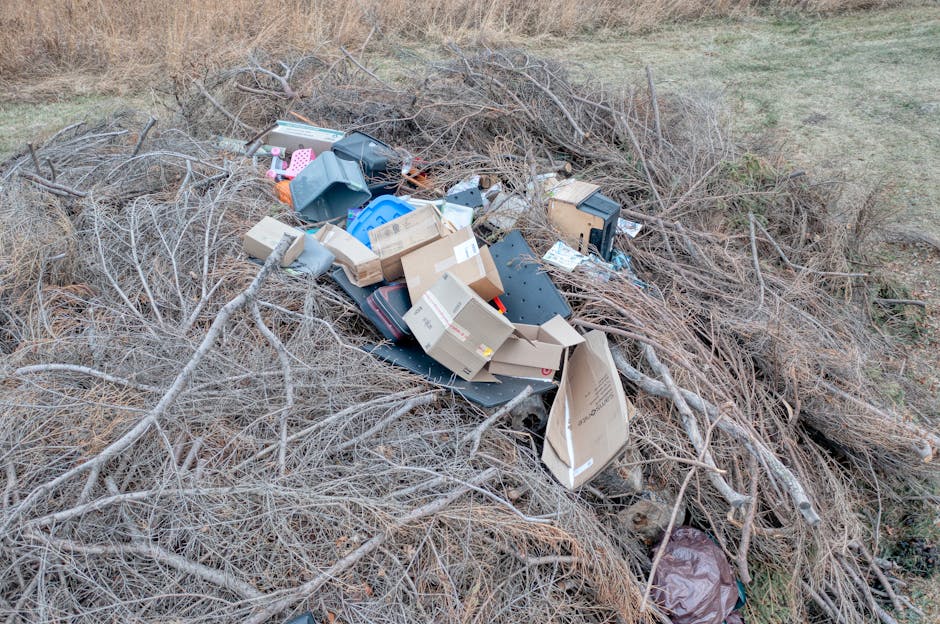
Dispose of Bulky Waste in Pratts Bottom Without Stress
Posted on 26/06/2026
Getting rid of a broken wardrobe, a sagging sofa, or an old mattress can feel strangely heavy before you even lift a finger. If the pile has been sitting in the hallway or garage for weeks, the job starts to take over the house, and your mood with it. The good news is that you can dispose of bulky waste in Pratts Bottom without stress once you know the simplest route, what to prepare, and when it makes sense to call in help. This guide walks you through the process in plain English, with practical steps that save time, reduce hassle, and keep things safe.
Whether you are clearing one awkward item or dealing with a full room of tired furniture, the aim is the same: make the job organised, calm, and sensible. Let's face it, nobody enjoys wrestling a bunk bed frame down the stairs at 8am on a wet morning.
Why Dispose of Bulky Waste in Pratts Bottom Without Stress Matters
Bulky waste is more than just "big rubbish". It usually means items that are too large, awkward, or heavy for normal household collections. Think wardrobes, mattresses, dining tables, office chairs, broken shelving, garden furniture, and the odd appliance that has finally given up. In a place like Pratts Bottom, where homes can have narrow access, shared driveways, steps, or limited parking, a bulky item can become a genuine obstruction very quickly.
Why does this matter? Because clutter has a way of spreading. One old sofa in the spare room can turn into boxes stacked around it, then a blocked cupboard, then a route you keep sidestepping every day. The physical inconvenience is obvious, but the hidden cost is time. You end up planning around the junk instead of the home.
There is also the safety angle. Heavy items can cause strains, scrapes, crushed fingers, and damaged walls or floors. If an item is awkward or unstable, trying to move it without proper planning is a bit of a false economy. To be fair, the "I'll just drag it out myself" plan often looks cheaper right up until someone chips a banister or tweaks their back.
That is why a calm, practical approach matters. It helps you avoid last-minute panic, reduce disruption, and make a clear decision about reuse, recycling, donation, or removal. For many households, the real win is not just getting rid of an item. It is getting the space back without the usual stress spiral.
If your clear-out is tied to moving home or preparing a property, it can help to think ahead alongside wider planning. Resources like the strategic declutter approach and preparing a home for a fresh start are useful companions because bulky waste is often just one part of a much bigger reset.
How Dispose of Bulky Waste in Pratts Bottom Without Stress Works
The process is usually simpler when you break it down into stages. First, identify what counts as bulky waste. Then work out whether the item can be reused, repaired, donated, or recycled. Only after that should you decide on the most suitable removal method. That order matters more than people realise.
In practical terms, a bulky item collection or removal service is about turning an awkward object into a manageable job. You assess the item, check access, prepare it if needed, and arrange the right vehicle or team. If several items are involved, they are usually grouped into one collection plan so the load, route, and timing all make sense together.
Some items need special care. Sofas may need split access or wrapping. Mattresses can be bulky but light enough to move with care. White goods can be heavy and may need safe handling, especially if doors or fixed parts are loose. Office furniture, pianos, and large cabinets are a different story again. Each item has its own little quirks. There is rarely a one-size-fits-all solution, which is why a quick assessment prevents so many headaches later.
For local residents, the most stress-free route is often the one that combines clear sorting with a suitable removal method. If you already know a piece is not worth keeping, do not spend a week moving it from room to room like some sort of furniture chess. Get it into the right category early and act on it.
Where bulky items form part of a larger move, planning matters even more. A careful packing plan, good lifting technique, and a tidy exit route can make the whole process feel less like a scramble. If you are moving large household pieces at the same time, guides such as packing like a professional and creating a tranquil moving experience can help keep the day steady.
Key Benefits and Practical Advantages
The biggest benefit is obvious: you get your space back. But there are a few less obvious advantages that are worth spelling out.
- Less physical strain: You avoid risky lifting, awkward twisting, and the sort of half-balanced carry that causes trouble.
- Cleaner decision-making: When you sort items properly, you are more likely to reuse or recycle what still has value.
- Faster turnaround: A clear plan means fewer delays and less back-and-forth.
- Better presentation: If you are selling, letting, or preparing a property, a cleared room looks larger and calmer.
- Less disruption to neighbours and access routes: One planned collection is usually far easier than several improvised attempts.
There is also a mental benefit that people underestimate. Once the bulky waste goes, the home often feels different straight away. Quieter. More open. Less nagging. That little pressure in the background disappears, and honestly, that can be just as useful as the physical clearance itself.
For anyone clearing items as part of a bigger furniture move, the advantages stack up. You may be able to combine disposal with furniture removals in Pratts Bottom or a flexible man and van service, which can be a tidy way to reduce the number of moving parts.
Who This Is For and When It Makes Sense
This kind of service is useful for a lot more people than you might expect. It is not just for full house clearances or major refurbishments.
- Homeowners replacing old furniture, clearing lofts, or removing broken items after years of use.
- Tenants who need to leave a property neat and avoid last-minute panic before check-out.
- Landlords dealing with left-behind furniture or end-of-tenancy clearance.
- Families managing a larger spring clean, renovation, or inheritance-related clear-out.
- Students disposing of worn bedding, desks, or small furniture during a move.
- Small businesses replacing office desks, chairs, storage units, or redundant equipment.
It makes sense whenever the item is too bulky for your normal bin collection, too awkward for your car, or too risky to move without help. The timing matters too. If you are trying to complete a move, hand back keys, or open up a room for renovation, you do not want bulky waste hanging around until next week.
That is where local planning helps. If access is tight or you are on a schedule, services like same day removals in Pratts Bottom or a vehicle-focused option such as removal van support can be the practical difference between a calm day and a messy one.
Step-by-Step Guidance
If you want the process to feel straightforward, use this sequence. It sounds simple, but it works.
- Walk through the property. Make a list of every bulky item you want gone.
- Separate what can be kept. Some items just need a clean, repair, or short-term storage.
- Check for hazards. Loose glass, sharp edges, heavy drawers, and unstable frames should be noted.
- Measure access points. Hallways, door frames, stairs, lifts, and parking access all matter.
- Decide how the item will leave. Donation, recycling, re-use, storage, or collection.
- Prepare the item. Remove contents, secure doors, tape loose parts, and protect surfaces if needed.
- Clear the route. Move rugs, floor clutter, and anything that could cause a trip.
- Book the right help. Use a service that matches the size and weight of the job.
- Confirm timing. Especially if parking or neighbours are involved.
- Do a final sweep. Check corners, drawers, under furniture, and behind doors.
If you are dealing with a heavy object such as a piano, a wide sofa, or a large wardrobe, do not improvise. Specialist support is often worth it. There is a reason people call in help for awkward loads. Even a small misstep can turn into a damaged wall, a scraped staircase, or a very bad mood by lunchtime.
For heavier household items, the guidance in your path to heavy lifting independence gives a useful sense of what is realistic, while the case against DIY piano moves is a good reminder that some jobs are best left alone.
Expert Tips for Better Results
Here is the part that tends to make the biggest difference in real life.
1. Sort before you shift anything
People often start moving items before deciding what is actually going. That is how hallways become storage zones. Instead, make the decision first. Keep, sell, donate, recycle, dispose. Simple categories. Less confusion.
2. Strip furniture down where possible
Remove shelves, cushions, drawers, doors, or detachable legs if the item becomes safer and easier to carry that way. Keep the screws in a labelled bag. Tiny job, big payoff. And yes, the screws will vanish if you leave them loose on the floor for ten seconds.
3. Protect the route, not just the item
A blanket around a wardrobe helps, but so does protecting the floor, corners, and any awkward doorway. A little prep avoids those sickening marks on skirting or paintwork.
4. Use storage only if it truly helps
Sometimes people move bulky waste into storage "for now" and then pay for months of delay. If you need to hold on to a piece temporarily, fair enough. But if not, avoid the drift. If you do need a short-term holding solution, look at storage options in Pratts Bottom rather than letting the item sit in the way at home.
5. Combine jobs sensibly
If you are clearing bulky items and also packing or moving, coordinate the tasks. One visit, one route, one plan. That is usually easier on both time and budget. It also feels much calmer, which counts for a lot when the house is noisy and everyone wants to know where the kettle is.
For items such as sofas, beds, and mattresses, the practical advice in sofa care and storage tips and moving a bed and mattress with ease can help you avoid damage before the item even leaves the room.
Common Mistakes to Avoid
A lot of bulky waste problems come down to small, avoidable mistakes. Here are the ones that show up again and again.
- Leaving the decision too late: If you wait until the day before a move or handover, everything becomes rushed.
- Guessing the weight or size: What looks manageable can be far heavier once lifted.
- Not checking access: A sofa can be "easy" until it meets a sharp bend on the landing.
- Mixing rubbish with reusable items: This can waste useful materials and complicate disposal.
- Ignoring safe lifting: Twisting while carrying is a classic way to cause injury.
- Blocking shared areas: In flats or terraces, this can create friction fast.
- Assuming every item can go the same way: Some loads need separating because of material type or condition.
One more thing: do not underestimate time. A single bulky item might take far less effort than you think, or far more. It depends on the room, the route, and the item itself. That uncertainty is exactly why a bit of planning pays off.
Tools, Resources and Recommendations
You do not need a shed full of specialist kit, but the right basics make the job much easier.
- Work gloves: Better grip and less chance of grazes.
- Strong tape and marker pens: Useful for securing loose parts and labelling bags.
- Furniture blankets or old quilts: Good for protecting item surfaces and door frames.
- Ratchet straps or strong tie-downs: Handy for load stability during transport.
- Trolley or dolly: Useful for heavier items on flat, even ground.
- Bin bags and sorting boxes: Keep screws, fittings, and contents separated.
- Measuring tape: Essential for access checks, especially in older properties.
For planning the move itself, it can help to read more about the available removal services, packing and boxes support, and how a local man with a van in Pratts Bottom can fit into a compact clearance plan.
If you are comparing providers, look for clear communication, sensible timing, and proper care around loading and access. That tends to tell you more than a flashy promise ever will. In our experience, the smooth jobs are the ones where someone has already thought through the boring bits. Boring bits matter.
Law, Compliance, Standards, or Best Practice
For bulky waste, the safest rule is simple: use a responsible disposal route and make sure the load is handled by someone who knows what they are doing. In the UK, waste handling normally needs to follow good environmental practice and duty-of-care principles. In plain terms, that means waste should be moved, sorted, and passed on in a way that is lawful, traceable, and environmentally sensible.
You do not need to memorise every detail, but you should be careful about a few things:
- Do not abandon items: Leaving furniture or appliances in communal areas, alleys, or kerbsides without proper arrangement can cause problems.
- Check what can be recycled: Metal, wood, textiles, and some appliances often need different handling.
- Handle electrical items carefully: White goods can need extra care because of weight, fluids, or damaged parts.
- Keep access safe: Properties with stairs, shared entrances, or limited parking need particular thought.
- Use providers with clear policies: Trust signals matter. Look for open information on health and safety, insurance and safety, and recycling and sustainability.
That last point is not just paperwork. It is about peace of mind. If someone is moving a bulky item through your home, you want confidence that they are operating carefully and responsibly. Simple as that.
Options, Methods, or Comparison Table
There are several ways to get bulky waste out of a property. The best choice depends on the size of the item, how quickly you need it gone, and how much handling you are comfortable with.
| Method | Best for | Pros | Watch-outs |
|---|---|---|---|
| Self-moving to a disposal point | Small-to-medium items you can safely handle | Flexible, hands-on, can work for one-off pieces | Needs transport, lifting strength, and time |
| Planned bulky waste collection | Households with several large items | Structured, efficient, less strain | Requires scheduling and item prep |
| Man and van clearance support | Mixed loads, awkward access, busy schedules | Flexible and practical for local moves | Choose the right vehicle size and service level |
| Storage first, disposal later | Items you are not ready to decide on yet | Buys time for sorting or family decisions | Can become costly if delay drags on |
| Full removal service | Large clear-outs, moving day, or property refreshes | Most convenient, less effort on your side | May be more than you need for a single item |
If your bulky waste is part of a bigger home or office move, it may be worth comparing broader options like removals in Pratts Bottom, removal services, or even office removals support if the items come from a workplace rather than a home.
Case Study or Real-World Example
Imagine a small terraced property with a broken three-seater sofa in the lounge, an old mattress in a spare room, and a heavy pine cupboard that no longer fits the layout. Nothing dramatic. Just enough to make the house feel cramped.
The first instinct is often to start dragging the sofa out. But the smarter approach is to pause and assess. The sofa may need cushions removed, the cupboard may need drawers taken out, and the mattress might need a clear route through a narrow landing. Parking outside may also be limited for part of the day. That is the sort of detail people skip when they are in a hurry.
In this kind of scenario, the calmer route is to sort the items first, check access, and combine the job into one planned clearance. The heavy furniture goes together, the route is protected, and the space is cleared in one go. It feels less like a battle. More like a proper reset.
If the household is also preparing for a move, the same plan can fold into other tasks. A local resident might pair the clear-out with moving near Pratts Bottom Village Green or use better local routes on Common Lane to keep the day efficient. Small planning choices. Big difference.
Practical Checklist
Use this before collection day or before you start moving anything yourself.
- List every bulky item you want removed.
- Decide what is being kept, donated, recycled, or disposed of.
- Check for glass, loose parts, and sharp edges.
- Measure doorways, hallways, and stair turns.
- Clear the route to the exit.
- Protect floors and corners where needed.
- Remove contents from drawers, cabinets, and shelves.
- Label fittings, screws, or small parts in sealed bags.
- Confirm parking or access arrangements.
- Set aside any items that need special handling.
- Have gloves, tape, and wrapping materials ready.
- Do one final walk-through after removal.
Expert summary: The least stressful bulky waste jobs are the ones that are sorted early, lifted carefully, and removed in one planned pass. The more you prepare before moving day, the less you have to react on the spot.
Conclusion
Disposing of bulky waste does not need to be a scramble. Once you break the task into categories, access checks, safe handling, and the right removal method, the whole thing becomes much more manageable. That is especially true in Pratts Bottom, where a calm approach can save you from awkward lifting, blocked doorways, and a lot of unnecessary stress.
The best advice is simple: decide early, prepare properly, and use the support that fits the job. Whether you are clearing one heavy item or a full room, a tidy plan usually pays off twice - once in time saved and once in peace of mind. And honestly, that peaceful feeling when the last awkward item is finally gone? Hard to beat.
If you are ready to make the process easier, combine clear planning with the right local support and keep the whole job straightforward from the start. Small steps, sensible choices, no drama.
Get a free quote today and see how much you can save.