Rectory Lane narrow access removals advice Pratts Bottom
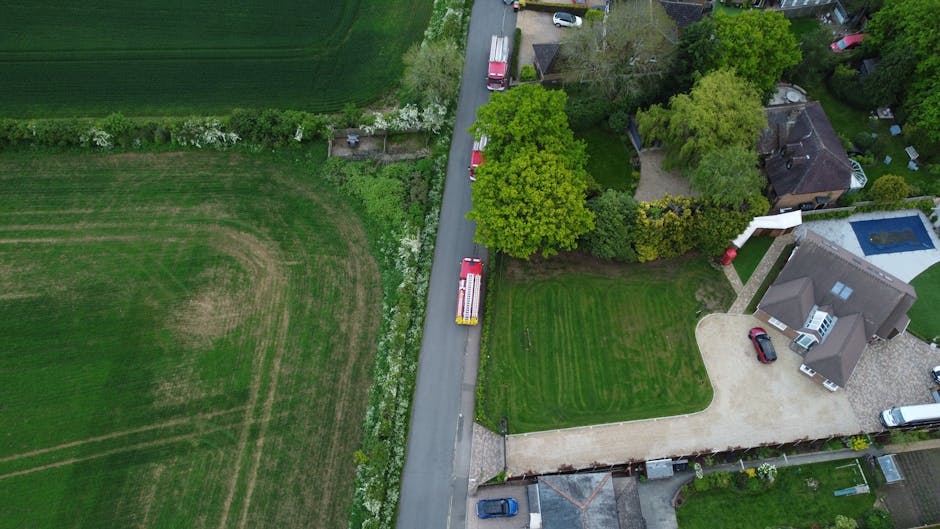
If you are trying to plan a move on Rectory Lane in Pratts Bottom, the biggest challenge is often not the distance, the boxes, or even the furniture. It is access. Tight turns, parked cars, limited loading space, awkward front paths, and the simple fact that a van may not be able to sit exactly where you want it can turn a routine day into a slow one. That is where Rectory Lane narrow access removals advice Pratts Bottom becomes genuinely useful: it helps you plan a move that fits the road, not the other way round.
This guide walks you through what narrow-access removals really involve, why local knowledge matters, and how to avoid the usual headaches. You will find practical steps, realistic examples, a comparison of move options, compliance pointers, and a checklist you can use before moving day. Nothing overcomplicated. Just clear, workable advice for a tricky bit of moving logistics.
Why Rectory Lane narrow access removals advice Pratts Bottom Matters
Narrow-access moves are a different animal. On a straightforward suburban road, a removals team can usually park close, load efficiently, and keep the pace steady. On a tighter lane, every extra metre matters. If the van cannot reach the front door, the crew may need to use carrying routes, shuttle loads, or park further away and work in stages. That affects timing, labour, and sometimes the size of vehicle that makes sense in the first place.
Rectory Lane, like many local roads in and around Pratts Bottom, can present a mix of constraints: limited kerb space, passing traffic, bends, nearby parked vehicles, and properties with entrances that are a little more compact than the average brochure photos suggest. To be fair, that is not unusual in village and semi-rural areas. It just means the move needs more thought. The better the access plan, the less chance of delay, damage, or that sinking feeling when a large van arrives and everyone starts looking at the hedge line in silence.
Good advice here is not about drama. It is about reducing friction. If a removal team knows in advance where they can park, how far they will need to carry items, and whether there are height or width limits, the move becomes calmer and usually more cost-effective too. You are paying for efficiency, after all, not guesswork.
How Rectory Lane narrow access removals advice Pratts Bottom Works
In practice, narrow-access removals start long before the van turns up. A proper plan usually begins with a look at the property, the approach road, and the items being moved. The team will want to know whether a full-size removal van can get close to the property, whether a smaller vehicle is safer, and whether the load will need to be split into more than one trip. Sometimes the answer is obvious. Often it is not.
A good local approach usually includes a few basic checks:
- Road width and turning space - can a van enter, reverse, and exit without blocking too much traffic?
- Kerb access - can the vehicle sit safely for loading, even briefly?
- Walking distance - how far will movers carry furniture and boxes?
- Stairs, tight hallways, and garden paths - are there pinch points inside the property as well as outside?
- Parking restrictions - are permits, time limits, or loading bay rules relevant?
- Item risk - are there heavy, awkward, or fragile pieces that need extra handling?
That last point matters more than people expect. A sofa is not just a sofa if it has to be turned through a narrow hallway, or a wardrobe if it must clear a low ceiling on the stairs. The move is shaped by the awkward item, not the average one.
In many cases, a small or medium vehicle is easier to work with than a larger truck, especially when access is tight. For some moves, the smartest choice is a hybrid approach: a larger lorry for bulk transfer to a convenient point, then a smaller van to handle the final stretch. If you have ever seen a crew at eight in the morning, measuring a gate and quietly reconsidering the plan, you will know this is not indecision. It is experience.
If you are comparing service styles, it can help to review general local removal options such as man and van, fuller household support like house removals, or broader removal services depending on the size and complexity of your move.
Key Benefits and Practical Advantages
The main benefit of narrow-access planning is simple: fewer surprises. But there are several practical advantages that are worth spelling out because they affect the whole moving day, not just the first ten minutes.
- Less wasted time - the crew spends more time moving items and less time improvising around access problems.
- Lower risk of damage - fewer awkward manoeuvres mean fewer scuffs on walls, doorframes, furniture, and the van itself.
- Better labour use - if the team knows the carry distance, they can allocate people properly.
- More realistic pricing - the quote is more likely to reflect the actual job rather than a hopeful estimate.
- Reduced stress - and honestly, that one is not small. A move is already a day of nerves. Why add avoidable chaos?
There is also a quieter advantage: better communication. When access is difficult, the move tends to go smoother if everyone knows what the plan is. You will notice this on the day. The tone is different. Less scrambling, fewer crossed wires, more steady progress.
Expert takeaway: narrow-access removals are not about forcing a standard moving process into a tight street. They are about adapting the process so the road, property, and load all work together.
Who This Is For and When It Makes Sense
This kind of advice is useful for a lot more people than you might think. It is not only for houses with tiny drives. It also helps if you live on a road with awkward parking, have a steep path, share access with neighbours, or own items that are simply difficult to carry safely over a distance.
You are likely to benefit if you are:
- moving from a property on or near Rectory Lane with limited roadside space
- relocating from a home with a narrow hallway, tight stairs, or low branches near the entrance
- transporting large furniture, appliances, or fragile pieces
- trying to avoid parking conflict with neighbours or passing traffic
- planning a same-day move where timing matters a great deal
- moving from a property where a large van would be a poor fit
It also makes sense if you are not quite sure whether you need a full removals team or a lighter-touch service. Sometimes a homeowner starts out thinking, "It is only a few items," and then remembers the dining table, two beds, a freezer, and the upright piano that nobody mentioned until the last minute. Classic. That is exactly the point where access planning becomes essential.
If you are comparing moving styles, it can be useful to look at local information on home moves or even a smaller-scale man with van removal if the job is compact and access is the main issue. For larger or business-related moves, office relocation services and commercial moves may be more relevant.
Step-by-Step Guidance
Here is a practical way to approach a narrow-access move on Rectory Lane. Keep it simple. Overthinking helps nobody.
1. Measure the space properly
Check the width of gates, pathways, front steps, and turning points. Measure tall items too, not just wide ones. A wardrobe may fit through a doorway on paper and still fail in reality because of a bannister or ceiling slope.
2. Walk the route from van to door
Stand at the road and physically walk the path your movers will use. Look for garden edges, low walls, loose gravel, awkward corners, wet surfaces, and anything that could slow the carry route. If it feels clumsy to you in trainers, it will feel worse with a washing machine.
3. Be honest about parking and traffic
Do not assume the van can simply stop outside. If there is no safe loading position, tell the removals provider early. Sometimes a short stop is possible, but sometimes a different vehicle size or parking plan is better.
4. Group your items by handling difficulty
Make a note of what is heavy, fragile, awkward, or unusually valuable. That lets the crew bring the right gear and decide whether something needs two people, blankets, straps, or dismantling.
5. Decide whether dismantling helps
Flat-pack furniture, bed frames, and some wardrobes are much easier to move when broken down. If access is tight, dismantling can save time and reduce the risk of damage. Just keep the screws and fittings in labelled bags. Future-you will thank you.
6. Share practical details before moving day
Tell the mover about parking limits, neighbour access, stairs, pets, narrow gates, and any time restrictions. If a small van or shuttle runs would make the job better, let them know. The best jobs are usually the ones where nothing is left for "we'll see on the day."
7. Prepare the property
Clear hallways, take pictures off the walls, protect floors if needed, and keep the loading path free. A tidy route can make a surprisingly big difference when space is tight and everyone is carrying something heavy.
For packing support, you may also want to review packing and unpacking services, especially if your move involves lots of fragile items or you simply do not want to spend the night before tape-gunning your way through the kitchen.
Expert Tips for Better Results
In our experience, the little details matter more than the grand plans. A narrow-access move succeeds because the basics are handled well, not because anyone tries a heroic shortcut.
- Use smaller, smarter loads - fewer oversized loads are often better than one overstuffed van.
- Protect pinch points - door edges, stair corners, and narrow hallways deserve extra padding.
- Start earlier than you think - access bottlenecks can slow the first hour, and that is normal.
- Have a fallback parking idea - one nearby legal spot can save the day.
- Keep essentials separate - documents, chargers, keys, medication, kettle stuff, and one clean set of clothes should not vanish into a sea of boxes.
- Take photos of problem areas - they are useful if a mover needs to assess access before the booking.
A small tip that people overlook: if the front of the property is especially tight, think about whether items can be staged indoors in the order they need to come out. The heaviest furniture first is not always the best answer. Sometimes the smartest order is the one that reduces twisting, not just lifting.
And yes, if the rain starts halfway through, the mood changes quickly. A damp path and a bulky sofa are not friends. Keep towels, gloves, and floor protection handy. It sounds basic because it is basic. Basic still works.
Common Mistakes to Avoid
The same errors crop up again and again on narrow-access moves. They are easy to make, which is why it helps to name them plainly.
- Booking the wrong vehicle size - too large and you create access problems; too small and you create extra trips.
- Underestimating carry distance - thirty metres with a wardrobe is a different world from thirty metres with a backpack.
- Ignoring parking realities - a road that looks fine on a dry afternoon may not be fine at eight in the morning with cars already parked.
- Leaving bulky furniture assembled - sometimes that one decision causes most of the trouble.
- Not telling the team about awkward items - pianos, large mirrors, American-style fridges, and glass cabinets deserve warning.
- Assuming local knowledge is automatic - even experienced crews need current details about access and restrictions.
Another common one is trying to save time by loading everything in one mad rush. It usually goes the other way. Better to slow down a little and keep control. Nobody ever looked back and said, "I wish we'd carried that wardrobe faster through the tight gateway."
Tools, Resources and Recommendations
You do not need a van full of specialist kit to manage a narrow-access move, but a few practical tools make life much easier.
- Measuring tape - for doors, corridors, gates, and large furniture pieces.
- Furniture blankets - to prevent scuffs on tight corners.
- Ratchet straps - useful for keeping loads secure in a smaller van.
- Dismantling tools - basic screwdrivers, Allen keys, and labelled bags for fittings.
- Floor protection - especially if the entrance is narrow, wet, or muddy.
- Clear labels - because "miscellaneous" is not a moving plan.
It also helps to use local service pages that match the size of your job. For example, if you are moving a single item or a few bulky pieces, furniture pick up can be a better fit than a full household move. If you are weighing different transport styles, the page on moving van options may help you think through vehicle size and practicality.
For pricing clarity, it is sensible to check pricing and quotes early. Narrow-access jobs often depend on real-world access, not just item count, so accurate details matter more than a quick estimate based on volume alone.
Law, Compliance, Standards, or Best Practice
Any move that involves roadside parking, loading on a public street, or using shared access should be handled with care. Exact rules can vary by location and by the circumstances on the day, so it is wise to treat parking, loading, and traffic management as practical issues that need checking rather than assuming they will be fine.
In the UK, good practice usually means making sure vehicles are parked safely and legally, access routes are not blocked longer than necessary, and people moving furniture are not put at unnecessary risk. If loading takes place near traffic, extra caution is sensible. If the road or frontage is tight, the mover should plan how to reduce obstructions and avoid damage to property, pedestrians, or vehicles.
Health and safety also matters in very ordinary ways. Heavy lifting, awkward carrying angles, wet steps, and poor lighting all increase the chance of an accident. That is why reputable movers will think about the route, the load, and the number of people needed rather than simply turning up and hoping for the best. If you want to understand how a provider thinks about safety more broadly, their health and safety policy and insurance and safety information can be useful reading.
For householders, the best rule is straightforward: disclose the access issue early, do not block public areas unnecessarily, and make sure the moving plan is realistic. That is the boring advice, but the boring advice is usually the good advice.
Options, Methods, or Comparison Table
Different access situations call for different approaches. The table below gives a simple comparison to help you decide what might suit a narrow property move on or around Rectory Lane.
| Option | Best for | Pros | Watch-outs |
|---|---|---|---|
| Small van / man and van | Single items, partial loads, tight roads | Easier parking, better manoeuvrability, often flexible | May need more trips for larger jobs |
| Standard removals van | Average home moves with moderate access | Good balance of capacity and practicality | Can struggle with very tight turning or parking |
| Large removals truck | Bulkier moves with strong road access | Fewer trips, efficient for larger loads | Less suitable where space is limited |
| Split-load approach | Difficult access plus a large volume of items | Flexible and safer for awkward streets | Needs more coordination and planning |
There is no universal winner. A tiny van is not always better, and a big lorry is not always more efficient. The right method is the one that respects both the property and the load. Simple as that.
Case Study or Real-World Example
Picture a small family moving from a terraced property off Rectory Lane. The hallway is narrow, the front gate opens onto a short path, and the road itself has limited clearance because of parked vehicles on one side. They have a sofa, a fridge freezer, several boxes of books, and two beds that need dismantling. Nothing outrageous. Just enough complexity to cause trouble if nobody plans ahead.
Instead of sending a large truck and hoping for the best, the move is planned with a smaller vehicle and a carry route measured in advance. The beds are dismantled the day before. The fridge is emptied and wrapped. Boxes are grouped by room. The movers park in the nearest workable spot, protect the tight corners inside the house, and work in stages rather than trying to force a rushed load.
The result? The move takes longer than a perfectly open-access job would, but it stays controlled. No crushed hedge. No panicked reversing. No scraped wall by the stairs. The family gets through the day tired, yes, but not frazzled. And that matters. On moving day, calm is a real asset.
That kind of outcome is exactly why local planning matters. The difference between a smooth move and a stressful one is often not the number of items. It is whether the access problem was respected from the start.
Practical Checklist
Use this before you book and again a day or two before moving day.
- Measure gates, doors, hallways, and any awkward turns
- Note where a van can safely stop, even briefly
- Check for parking restrictions or permit needs
- Identify heavy, fragile, or oversized items
- Dismantle furniture where it clearly helps
- Protect floors, corners, and stair edges
- Label boxes by room and priority
- Keep valuables and essentials separate
- Share photos or notes of tricky access points with the mover
- Confirm the plan for loading, carry distance, and vehicle size
- Have a backup idea if roadside parking is blocked
- Leave enough time. Rushing and narrow access are not a great match
If you can tick off most of those points, you are already ahead of the game. Not perfect, maybe. But well prepared, and that counts for a lot.
Conclusion
Rectory Lane narrow access removals advice Pratts Bottom is really about planning the move around real conditions on the ground. Tight roads, limited parking, awkward entry points, and larger household items all need to be considered together. When you do that, the moving day becomes much more manageable and far less dependent on luck.
The strongest moves are usually the ones with calm communication, a realistic vehicle choice, and a simple plan for access from start to finish. That is the whole trick. No magic. Just sensible preparation, local awareness, and a team that understands how to work in tighter spaces.
Get a free quote today and see how much you can save.
And if nothing else, remember this: a narrow lane does not have to mean a difficult move. It just means the details deserve a bit more respect. Usually, that is enough.
Frequently Asked Questions
What does narrow access mean for a removal in Pratts Bottom?
Narrow access means the property, road, or parking area makes it harder for a removals vehicle to get close to the entrance. It can involve tight roads, limited kerb space, small gates, narrow hallways, or awkward turns that affect loading and carrying.
Do I need a smaller van for Rectory Lane?
Not always, but often a smaller or more manoeuvrable vehicle is easier where access is tight. The best choice depends on the road, parking, and the size of the load. Sometimes a split-load plan works better than forcing one large vehicle to do everything.
How far in advance should I mention access problems?
As early as possible. Ideally, tell the removals provider when you first ask for a quote. Early notice gives them time to recommend the right vehicle, estimate labour properly, and avoid surprises on moving day.
Will narrow access make my move more expensive?
It can, because extra carrying distance, more labour, or a second vehicle may be needed. That said, clear planning can help keep costs sensible. A well-briefed team usually works more efficiently than a team that has to improvise.
Can movers still work if the van cannot park outside my house?
Yes, usually they can. They may need to park farther away and carry items over a longer distance, or use a smaller vehicle. The key point is to plan that carry route properly so it stays safe and realistic.
Should I dismantle furniture before a narrow-access move?
If the furniture is likely to struggle through tight doors or corners, dismantling often helps. Beds, large wardrobes, and some tables are common candidates. Keep all fixings together in labelled bags so reassembly does not turn into a treasure hunt.
What if there are parking restrictions near Rectory Lane?
Then the parking plan becomes part of the move plan. Check what is possible, what is legal, and what is realistic for the time of day. If parking is restricted, the removals team may need a different vehicle strategy or a timed loading approach.
Is a man and van service enough for a narrow street move?
Sometimes yes, especially for smaller loads or partial moves. For bigger homes or more delicate items, a fuller removals service may be safer and more efficient. The right option depends on volume, access, and how much handling the job will require.
How can I reduce the risk of damage in a tight hallway?
Clear the hallway, protect corners, and make sure the route is measured before moving day. Furniture blankets, floor protection, and slow, careful turning all help. A bit of extra preparation goes a long way in a confined space.
What should I tell the removals company about access?
Tell them about road width, parking restrictions, gate size, stair layout, carry distance, tricky items, and anything that might slow the job down. Photos are very helpful. In fact, a couple of decent pictures can explain more than a long message ever does.
Can narrow access affect how long the move takes?
Yes. If movers have to carry items farther or use a smaller vehicle, the job usually takes longer than a standard access move. That is not a problem if it is expected. Trouble starts when everyone assumes the access is better than it really is.
Where do I start if I am unsure what type of move I need?
Start with the access itself. Measure the route, list the largest items, and think honestly about parking. Then compare a small-vehicle move, a standard removals van, or a fuller service based on what the property can actually support. That first honest look usually clears things up fast.
If you want to learn more about the business behind the service, you can also review the company's about us page or get in touch through contact us when you are ready to talk through the details.