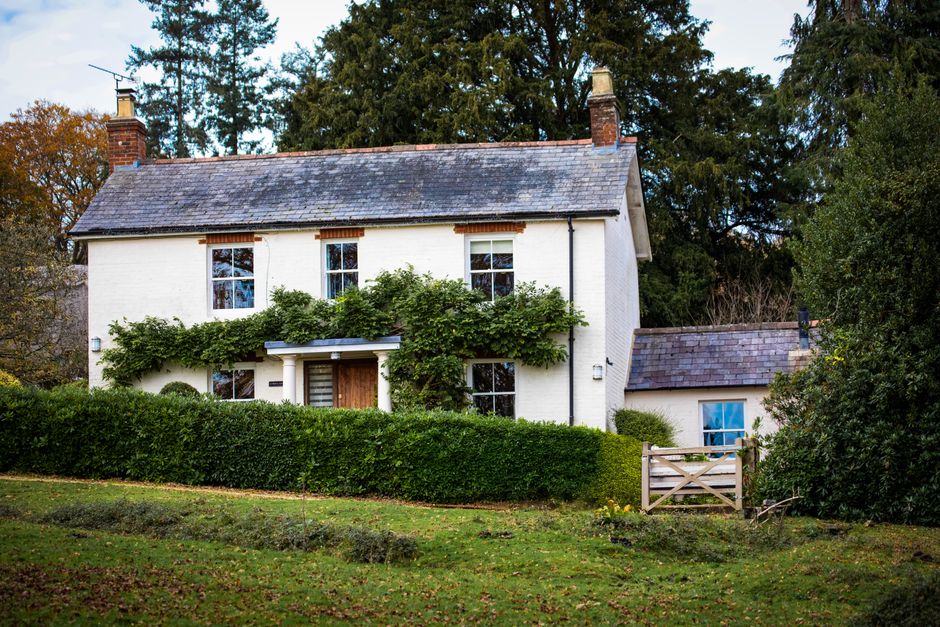
How we moved a Pratts Bottom cottage with zero damage

Moving a cottage is rarely a straight line from A to B. Tight hallways, older staircases, low ceilings, awkward parking, and furniture that has lived happily in the same corner for years can make even a small move feel strangely complicated. That was exactly the situation with this Pratts Bottom cottage move, and the goal was simple but demanding: move everything safely, keep the house and belongings protected, and finish the day with zero damage.
In practice, that meant more than just lifting carefully. It meant planning the route, measuring the awkward bits, protecting floors and doorframes, packing properly, and staying calm when the day got a little busy. If you are looking at a cottage move in Pratts Bottom or somewhere similar, this guide walks through what actually made the difference. Not the glossy version. The real one.
We will cover the thinking behind the move, the steps that protected the property, the mistakes that usually cause scrapes and dents, and the practical checks worth making before moving day. And yes, a few things you might not think of until you are standing in a narrow hallway with a sofa that seems to have grown overnight.
Why How we moved a Pratts Bottom cottage with zero damage Matters
A cottage move is different from a standard house move. Older properties often have narrower openings, less forgiving staircases, and surfaces that show scuffs quickly. In a place like Pratts Bottom, where many homes have character and age, the smallest mistake can leave a mark on a doorframe, a plastered wall, or a polished floor. That is why the phrase How we moved a Pratts Bottom cottage with zero damage is not just a nice headline. It is the core of what a careful move should achieve.
To be fair, most people only think about damage in terms of broken plates or chipped furniture. But the real risks are broader. A careless turn at the top of the stairs can mark a wall. A badly wrapped table leg can split. An overpacked box can crush under its own weight. A rushed exit can scrape a porch or snag a banister. One tiny lapse can cost time, money, and a fair bit of stress.
Zero damage matters because it protects more than objects. It protects the property, the moving day schedule, and your peace of mind. It also preserves trust. If someone is moving into a cottage they care about, they want the move handled with the same care they have used to live in it. That sounds obvious, but in removals, obvious is often what gets missed.
There is also the local factor. Pratts Bottom has its own layout quirks, road access issues, and parking constraints, which means a move that feels simple on paper can get awkward in a hurry. A proper plan makes all the difference, and in many cases the safest move is the one that looks slightly overprepared from the outside. Let's face it, that is not a bad thing on moving day.
How How we moved a Pratts Bottom cottage with zero damage Works
The process starts long before the van arrives. A zero-damage move is built around control: control of access, control of packing, control of loading order, and control of how every item is handled through the property. The idea is simple. Reduce risk at every stage, instead of trying to fix problems after they happen.
First comes the site walk-through. In a cottage, we look at door widths, stair angles, hallway bends, and any tight turns that might force furniture to twist. We also note fragile surfaces, low-hanging lights, loose rugs, and the kind of floor that scratches if you look at it sideways. Then we decide what needs dismantling, what can stay assembled, and what needs extra protection.
Next is packing. Good packing is not just about fitting things into boxes. It is about weight, shape, and stability. Heavy items go into smaller boxes. Fragile items get layered with padding and separated so they do not rattle about. Delicate furniture is wrapped properly rather than just covered in a hopeful blanket. That little difference matters more than people realise.
On the day itself, the loading order matters. You do not want the heaviest or most awkward item buried behind smaller boxes. You also want to keep pathways clear so the team can move steadily rather than stop-starting through the house. That pace is important. Slow enough to be careful, quick enough to avoid fatigue. A tired mover is a risky mover. It sounds simple because it is.
The final piece is communication. People often assume damage prevention is all about materials and strength, but clear instructions help just as much. Who is moving which item? Which side of the sofa has the weak leg? Which wardrobe must stay upright? Where is the safest exit point? When everyone knows the plan, accidents become much less likely.
Key Benefits and Practical Advantages
The most obvious benefit is right there in the phrase: no damage. But the real advantages go a bit deeper than that. A careful cottage move is smoother, less frantic, and often quicker overall because nobody is wasting time fixing preventable problems.
- Less stress on moving day: You are not dealing with avoidable mishaps or last-minute panic.
- Better protection for older homes: Character properties can be beautiful, but they are not always forgiving.
- Safer handling of awkward furniture: Larger or fragile items are less likely to snag, chip, or strain someone carrying them.
- Cleaner handover: The property is left in better condition, which matters if you are leaving a rented cottage or passing a home to new owners.
- Fewer hidden costs: Damage repairs, replacement parts, and emergency cleaning can add up quickly.
There is another benefit that gets overlooked: confidence. Once people see a move being handled with care, they relax. That changes the whole day. Boxes get labelled properly, decisions are made faster, and everyone settles into the rhythm. It is surprising how much smoother a move feels when nobody is bracing for the next mishap.
In our experience, the best moving days feel almost uneventful from the outside. That is usually a good sign. No drama. No overcomplication. Just a clean, well-managed process that makes a complicated job look easy. Which, of course, usually means a lot of work went into it beforehand.
Who This Is For and When It Makes Sense
This kind of careful approach is ideal for anyone moving from or into a cottage, especially where the property has tight access, older fixtures, or valuable furniture. It is also a strong choice if you are moving in stages, sharing the property with family members, or trying to protect a freshly decorated interior.
It makes particular sense if you recognise any of these situations:
- You have narrow stairs or a tight landing.
- The property has fragile paintwork, architraves, or flooring.
- There are antiques, mirrors, musical instruments, or sentimental pieces.
- Parking is limited and the loading point is not right outside the door.
- You want a move that is efficient but not rushed.
- You are trying to avoid the usual wear and tear that can happen on a standard removal day.
Some people assume a small cottage move is automatically easier than a larger home move. Not always. Smaller spaces can create harder angles, more twisting, and less room for safe lifting. That is the sneaky part. Fewer rooms does not always mean fewer problems. Sometimes it means the problems are compressed into a tighter space, and that can make the move more technical than expected.
If you are on a deadline, or if you are juggling completion times, school runs, or a same-day handover, a structured move becomes even more valuable. The day does not need to feel frantic. It really doesn't.
Step-by-Step Guidance
Here is the practical version of how a zero-damage cottage move is planned and carried out. This is the part most readers want, and for good reason. It shows what actually happens before the first box moves.
- Survey the property and access points. Measure stairways, doors, turns, and any awkward outdoor access. Check for trip hazards, loose mats, and fragile edges.
- Decide what should be dismantled. Wardrobes, bed frames, tables, and some shelving units are often safer in pieces than fully assembled.
- Pack with weight in mind. Heavy items go into smaller boxes. Lighter soft items can fill larger boxes without creating dangerous strain.
- Wrap furniture properly. Use blankets, wrap, or padded protection to guard corners, legs, and polished surfaces.
- Protect the property first. Cover floors where needed, protect doorframes, and clear the main route before major lifting starts.
- Load in a sensible order. Place awkward items where they will not shift, and keep essentials accessible if the move is staged.
- Move slowly through tight areas. There is no prize for speed if speed creates a scratch.
- Check each room before leaving. A final sweep catches forgotten screws, small items, and anything that might have been left behind under a bed or behind a door.
- Set down furniture carefully at the new property. Do not just dump it in the nearest corner and call it a day. Place it where it belongs and protect the floor again if needed.
A useful little habit: pause at each tricky corner and look once before moving. Not a nervous pause. A deliberate one. It saves time later, because corners are where most surprises live.
And if a piece looks too awkward to force through a gap, do not force it. Reassess, dismantle it properly, or take a different route. That tiny decision can be the difference between a clean move and an avoidable repair bill.
Expert Tips for Better Results
These are the sorts of details that tend to separate a smooth move from a merely adequate one. They are not flashy, but they work.
Use the right protection in the right place
Blankets are useful, but they are not magic. Edges, handles, table corners, and stair bannisters often need specific protection. Think in terms of impact points. Where is the thing likely to knock first? Protect that.
Take the weather into account
In Britain, a dry forecast can turn damp by lunchtime. Wet shoes, muddy thresholds, and slippery steps are all small risks that add up. If the ground is soft or the path is slick, increase the floor protection and slow the pace a little.
Label boxes by room and priority
Room labels help, but priority labels help even more. For example: kitchen first-night box, bedding box, kettle and tea box. A cottage move can feel complete in one sense and yet still be inconvenient if the essentials are buried somewhere in the van. Nobody wants to go hunting for the kettle after a long day.
Keep tools close by
Have screwdrivers, Allen keys, tape, scissors, and wrap ready, not buried under the load. If a bed frame needs dismantling halfway through, you do not want a ten-minute search for the right key.
Protect the exit as much as the furniture
People focus on wrapping the sofa, but the doorway matters just as much. Door protectors, careful padding, and a clear exit route can prevent the little scuffs that are so frustrating afterwards.
A small human truth here: moving day is rarely improved by improvisation. A little extra preparation is worth its weight in biscuits. Probably more.
Common Mistakes to Avoid
Most damage on a cottage move does not come from one dramatic mistake. It comes from several small ones stacking up. That is why avoiding the usual errors matters so much.
- Leaving everything packed too loosely: A loose box shifts, collapses, or bursts open at the worst moment.
- Overfilling boxes: Heavy boxes are harder to carry safely and more likely to tear.
- Skipping measurements: Guessing the size of a doorway is a classic move-day trap.
- Not protecting floors: One muddy shoe or one dragged foot can leave a mark.
- Forcing large furniture through tight spaces: If it does not fit cleanly, stop and reassess.
- Ignoring fragile old fittings: Older cottages often have paintwork, handles, and trims that chip more easily than newer finishes.
- Rushing the final room sweep: Forgotten items create stress later, especially keys, paperwork, and small hardware.
One common mistake deserves special mention: assuming a helper can "just grab the other end" without discussing the route. That sounds harmless. It is not. Two people with two different ideas about the turn ahead can end up doing more damage than they realise. A quick two-minute briefing saves a lot of awkwardness.
Tools, Resources and Recommendations
You do not need a warehouse of specialist equipment for a cottage move, but the right tools make a real difference. Here is what tends to help most in practical terms.
| Item | Why it helps | Best used for |
|---|---|---|
| Furniture blankets | Protects surfaces from knocks and friction | Tables, wardrobes, drawers, headboards |
| Stretch wrap | Keeps blankets in place and stabilises loose parts | Drawers, doors, stacked items |
| Floor covering | Reduces scratches and dirt transfer | Hallways, thresholds, stair routes |
| Straps and trolleys | Improves control on heavier items | Appliances, boxes, awkward loads |
| Tool kit | Speeds up dismantling and reassembly | Beds, shelving, modular furniture |
| Labelling materials | Makes unpacking faster and less chaotic | Every room and priority box |
On the recommendation side, the most useful thing is not a single gadget. It is a moving plan. A page of notes, a few measurements, and a room-by-room order can beat a pile of expensive packing materials if those materials are used badly. Practical beats flashy. Almost every time.
If you are planning a larger move or a more complicated one, it can also help to compare services and support options carefully. Pages such as home moves, packing and unpacking services, and pricing and quotes are useful starting points if you want to understand how different approaches fit your move.
Law, Compliance, Standards, and Best Practice
For a domestic cottage move, the main compliance concerns are usually safety, parking, access, and reasonable care of property and belongings. You do not need to drown in legal jargon, but you do need to handle the practical duties properly. That means working safely, not blocking access unnecessarily, and being aware of any local parking or loading restrictions that apply on the day.
Good practice also means making sure the move is insured appropriately and that risk is managed sensibly. You want to know how belongings are covered, what the limits are, and what the procedure is if something unexpected happens. That does not mean expecting trouble. It means being prepared if the day throws you a curveball, which moving days occasionally do.
In many cases, customers also want reassurance about the company's broader standards. Reviewing pages like insurance and safety and health and safety policy can help you understand the approach behind the move. Those details matter, especially if the property has challenging access or valuable furniture.
There is also a best-practice element around waste and unwanted items. If you are clearing out a cottage at the same time, disposing of bulky items responsibly is part of keeping the move tidy and low-stress. A sensible approach to recycling and reuse is better for the property, the budget, and the environment. For that angle, recycling and sustainability may be a useful reference point.
Options, Methods, or Comparison Table
Not every move needs the same level of support. For a cottage in Pratts Bottom, the choice usually comes down to how much help you want with access, packing, and heavy lifting. Here is a straightforward comparison.
| Method | Best for | Pros | Trade-offs |
|---|---|---|---|
| Self-managed van hire style move | Very small loads, confident packers | Lower service level, flexible timing | More physical effort, more risk if access is tight |
| Man and van support | Smaller homes, partial loads, local moves | Flexible, practical, often cost-conscious | Less capacity than full removal crews for larger homes |
| Full removal service | Whole-house moves, awkward furniture, fragile property | More support, better protection, less stress | Usually the most involved option to arrange |
For many cottage moves, the middle ground makes sense. A well-planned support vehicle with experienced movers can be the sweet spot between cost and care. If you are comparing approaches, these pages may help: man and van, man with van removal, and house removals.
There is no single best method for every household. The right choice depends on furniture size, access, time pressure, and how much you want handled for you. Simple enough. Not always easy, but simple enough.
Case Study or Real-World Example
Here is a realistic example based on the kind of cottage move this article is about. The property had a narrow entrance, an upstairs bedroom with a tight stair turn, and a few heavier pieces that looked innocent until they had to move. A large wardrobe needed dismantling, the dining table had delicate edges, and the hallway flooring was old enough to deserve respect.
Before moving day, the team measured the awkward points and decided in advance which items would be dismantled. The route from bedroom to van was cleared completely. Floors were protected at the thresholds and in the narrowest part of the hall. Drawers were secured, corners were wrapped, and the heavier boxes were split so they could be carried safely rather than bravely. There is a difference.
During the move, the main habit that saved time was pausing before each difficult turn. That meant no rushed twisting, no unnecessary scraping, and no "we'll just squeeze it through" decisions. The furniture came out in one piece, the walls stayed clean, and the flooring kept its finish. By the end of the day, the house looked much as it had before the move, except emptier and a little quieter.
Expert summary: zero-damage moves are usually won before the van arrives. The planning is what protects the property; the lifting is just the final act.
That is the part people often underestimate. The actual carrying is only half the job. The other half is preparation, restraint, and not letting moving-day excitement talk you into taking shortcuts.
Practical Checklist
Use this checklist to keep a Pratts Bottom cottage move under control.
- Measure doorways, stair turns, and access points.
- Identify fragile walls, floors, trims, and fittings.
- Decide which furniture should be dismantled.
- Gather blankets, wrap, tape, labels, and tools.
- Protect floors and entry points before lifting starts.
- Pack heavy items into smaller boxes.
- Label every box by room and priority.
- Keep essentials separate and easy to reach.
- Brief everyone on the route and lifting plan.
- Move slowly through tight areas and pause at tricky corners.
- Check the property thoroughly before leaving.
- Settle furniture carefully in the new home, not just anywhere.
If you tick all of those boxes, you are already ahead of most rushed moves. And honestly, that alone can change the whole tone of the day.
Conclusion
Moving a cottage without damage is absolutely possible, but it is rarely accidental. It comes from good planning, sensible packing, careful handling, and a proper respect for the property itself. That is what made this Pratts Bottom move work so well. Nothing flashy. Just a steady, practical process with the right attention in the right places.
If you are preparing your own move, take the time to measure, protect, label, and brief everyone involved. Those small steps are what keep a difficult day from turning messy. The quieter the move feels, the better it usually goes. And that is reassuring, really.
If you would like help organising your own local move, compare your options early and choose the support that fits the property, the access, and the level of care you want. A calmer move is usually a smarter move, and a smarter move tends to age well in memory.
Get a free quote today and see how much you can save.
Frequently Asked Questions
What makes a cottage move more difficult than a standard house move?
Cottages often have narrow staircases, tighter turns, older finishes, and less predictable access. That combination makes careful planning more important than brute strength.
How do you avoid damage when moving heavy furniture?
Measure the route first, dismantle anything that will not pass safely, wrap edges and corners, and move slowly through the tight spots. Most damage happens when people rush.
Do I need packing help for a small cottage move?
Not always, but it can be a smart choice if you have fragile items, limited time, or awkward furniture. Packing support often saves time and reduces stress.
Is a man and van service enough for a cottage in Pratts Bottom?
Sometimes yes, especially for smaller loads or partial moves. If the property has difficult access or larger furniture, a more full-service approach may be better.
How far in advance should I book a local move?
The earlier the better, especially if your moving date is tied to completion or if you need a specific time slot. Short-notice moves can still happen, but planning ahead usually gives you more choice.
What should be protected first on moving day?
Floors, doorframes, stair edges, and any delicate surfaces should be protected before large items start moving. That is the simplest way to reduce accidental scuffs.
Can damage be prevented completely?
Nothing is ever guaranteed in a practical sense, but careful preparation can reduce risk dramatically. The aim is to make damage unlikely, not just hope for the best.
How do I know if a piece of furniture needs dismantling?
If it is tall, wide, awkward, or hard to turn safely in a corridor, it should probably be dismantled. A quick route check usually answers the question.
What is the biggest mistake people make on cottage moving day?
Rushing. That is the honest answer. Once people hurry, they tend to misjudge corners, overload boxes, or forget to protect the property properly.
What if parking near the cottage is limited?
Then access planning becomes even more important. You may need to consider the loading point carefully, factor in walking distance, and keep the route from door to vehicle as clear as possible.
Are there any compliance issues I should think about?
The main things are safe handling, parking or loading restrictions, proper insurance, and sensible care of the property. If in doubt, ask how the move will be managed before the day arrives.
Where can I compare services for a local move?
It helps to look at the type of support you actually need, whether that is a small local move, furniture handling, or full house removals. The right fit depends on your home, your timeline, and how much help you want on the day.
Contact us if you want a move that feels organised, careful, and properly planned from the first box to the last chair.